Understanding Different Waterproofing Methods and Their Benefits Jul 08, 2026
Waterproofing methods can generally be categorized into exterior and interior solutions. Exterior waterproofing aims to prevent water from entering the home, while interior solutions manage any water that does make its way inside.
Exterior waterproofing typically involves the application of waterproof coatings or membranes to the outer walls or the foundation of the property. One popular method is the use of waterproof cement or concrete, which acts as a durable barrier against moisture. This technique not only prevents water infiltration but also strengthens the structure, enhancing its overall durability. Moreover, it requires minimal maintenance once applied, making it a cost-effective long-term solution.
Another external method is the installation of drainage systems such as French drains. These systems redirect water away from the foundation, mitigating the risk of water damage. By preventing water accumulation, they help maintain the structural integrity of the foundation, offering peace of mind during heavy rains.
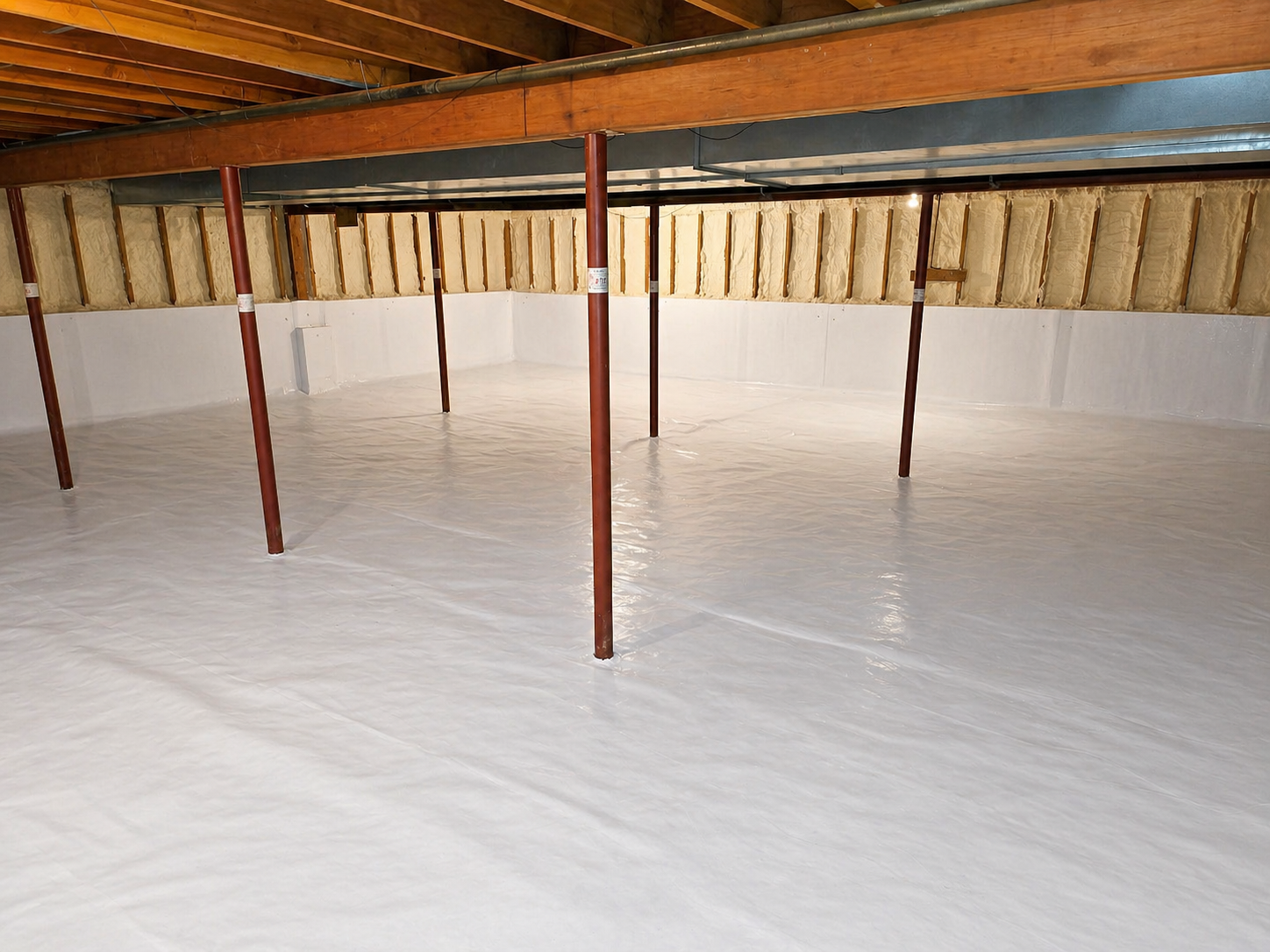
On the other hand, interior waterproofing focuses on managing moisture that infiltrates the interior spaces. This is often achieved through the application of sealants and paints specifically formulated to resist water. Sealants create an impermeable layer over walls and floors, offering an additional line of defense against moisture. While these may not solve the underlying cause of water ingress, they are an excellent secondary measure and are particularly useful in regions prone to mild dampness.
Additionally, sump pumps act as an effective interior waterproofing measure, especially in basements. These pumps remove accumulated water, thereby protecting the interior from flood damage. They are an ideal solution for homes situated in low-lying or flood-prone areas, as they actively monitor and manage water levels.
There are numerous benefits to implementing waterproofing measures. First and foremost is the prevention of structural damage. Water infiltration can lead to cracks, weakening the foundation over time. By applying proper waterproofing techniques, you preserve the strength and integrity of the structure for years to come.
Furthermore, waterproofing can significantly enhance the indoor air quality of your home. Moist environments are breeding grounds for molds and mildew, which can pose health risks to inhabitants. Waterproofing your property ensures a dry environment, reducing the likelihood of mold growth and ensuring cleaner air.
Cost savings are another considerable benefit. Although the initial investment might seem significant, waterproofing saves money in the long run by averting costly repairs or replacements caused by water damage. Investing in waterproofing ensures you are protecting your home and your wallet simultaneously.
In conclusion, exploring and implementing the appropriate waterproofing methods is an investment in the longevity and safety of your property. Whether through external solutions like drainage systems and waterproof coatings or interior measures such as sealants and sump pumps, Christy's Waterproofing is dedicated to helping you find the best approach tailored to your home’s specific needs. Understanding these techniques and their benefits equips you with the knowledge you need to preserve your home’s value effectively. Trust in experienced professionals to guide and execute these essential measures, ensuring a dry and durable home environment.
/filters:no_upscale()/filters:format(webp)/media/7a459aed-4412-4c59-a6d1-ff0364c4cf89.jpeg)