Understanding Different Waterproofing Methods: Which One is Right for Your Home? Jul 03, 2026
To begin with, it is crucial to recognize the areas of your home that require waterproofing. Common areas include basements, roofs, and external walls. Basements are particularly prone to water intrusion, which can lead to mold growth and structural damage. Similarly, roofs and external walls must be safeguarded against harsh weather conditions to prevent leaks and maintain structural integrity.
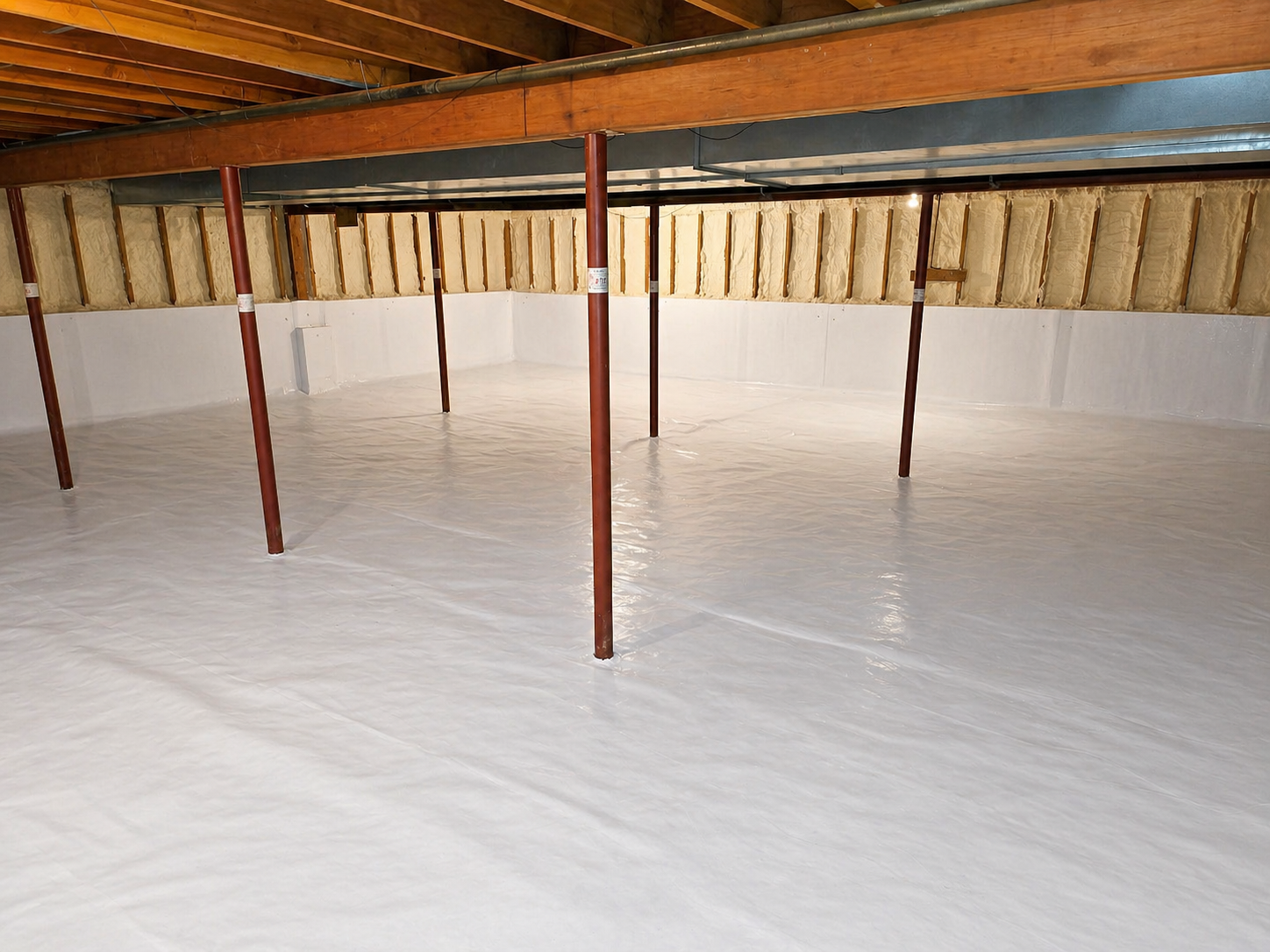
One of the most cost-effective and widely used methods for waterproofing basements is interior waterproofing. This method involves applying sealants and coatings directly onto the walls and floors. These products effectively repel water and manage humidity levels. However, they are primarily used for moisture control and are not a standalone solution for situations where there is significant water leakage.
Exterior waterproofing, on the other hand, involves applying a waterproof layer directly onto the external foundation walls of your home. This method prevents water from entering in the first place, serving as an essential line of defense. It is more effective than interior solutions, especially in heavy rainfall areas. While it can be more expensive, exterior waterproofing is an investment in preventing long-term damage.
Roof waterproofing is another critical area to consider. There are several ways to ensure your roof remains impermeable to water. One popular method is the use of membranes. These waterproof membranes are laid directly over the roof to prevent water infiltration. They are often made from materials such as bitumen or PVC, depending on the specific requirements of the roof. For flat roofs, liquid waterproofing membranes provide flexibility and high efficiency, making them an excellent choice.
Internal drainage systems are also an effective waterproofing method, particularly for basements. These systems are designed to redirect water that collects around the foundation of your home. French drains are a common type of internal drainage system. These involve a trench filled with gravel and a perforated pipe to channel water away from the house. While they require installation work, internal drainage systems are a reliable choice for preventing basement flooding.
Lastly, foundation crack injections can effectively address specific problem areas without the need for significant construction work. This method involves injecting a polyurethane or epoxy sealant into any visible wall cracks. It is a targeted solution that is particularly useful for older homes or properties that have shifted over time.
In conclusion, selecting the right waterproofing method for your home depends on several factors, including the specific areas at risk, your budget, and the severity of water exposure. Consulting with professionals like Christy's Waterproofing can provide you with expert advice and ensure that the waterproofing solutions used are adequate for protecting your home. Remember, proactive waterproofing not only protects your investment but also contributes significantly to the comfort and safety of your living space.
By understanding your home's unique needs and choosing the appropriate waterproofing method, you can effectively shield your property from unwanted water intrusion and the subsequent damage it may cause.
/filters:no_upscale()/filters:format(webp)/media/7a459aed-4412-4c59-a6d1-ff0364c4cf89.jpeg)