
Check what the system is collecting
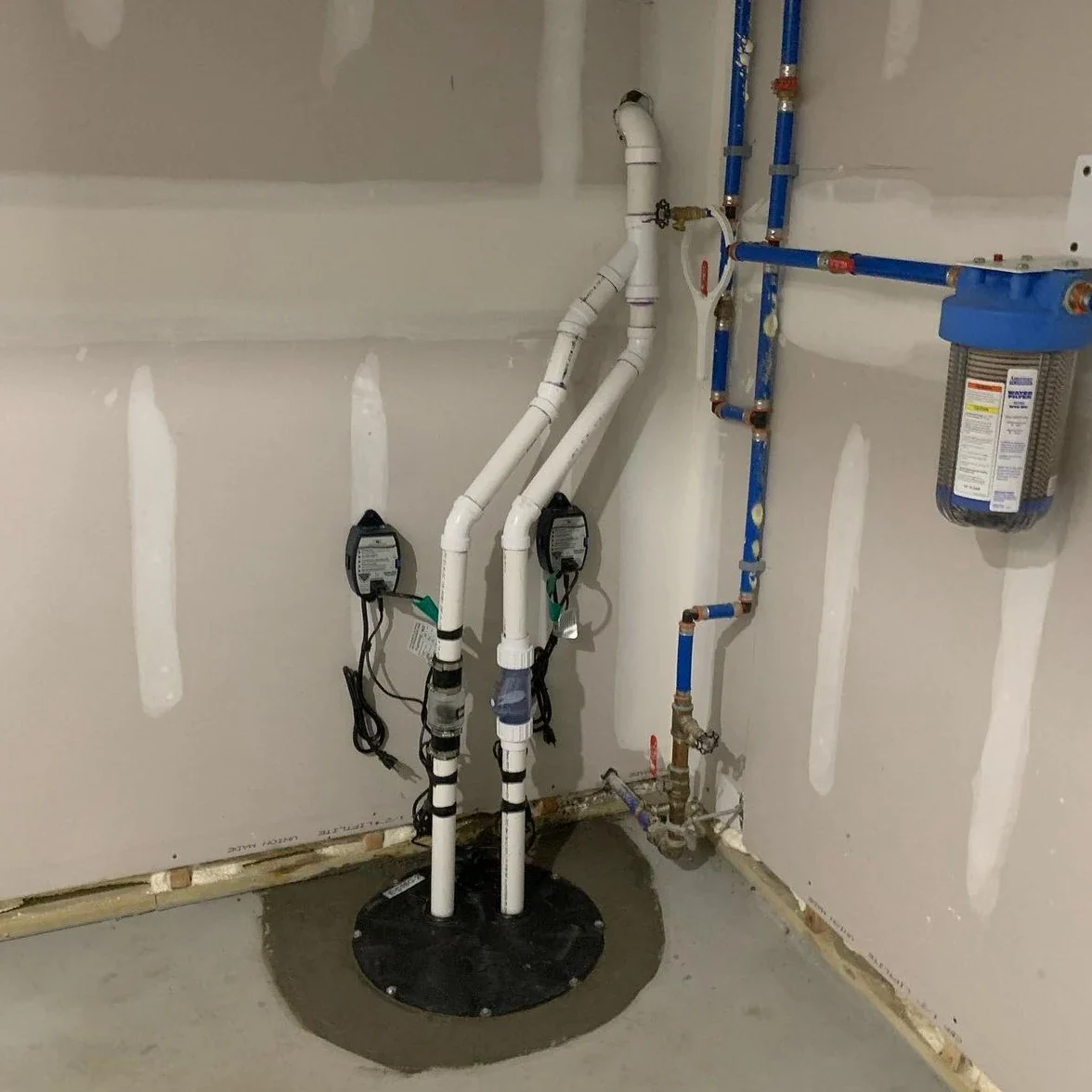
A typical sump system collects water in a pit, activates a pump as the level rises, and sends water through a discharge pipe. Canada’s flood-preparedness guidance explains this sequence. From a dry, accessible position, note whether the pit level drops during operation, remains high, or rises again afterward. Have a qualified person inspect equipment and electrical connections.
Compare the wet location with the collection system. North Dakota State University Extension notes that some homes have drain tile serving only part of the house. Water at the far end of the basement therefore does not automatically prove the pump itself has failed. A drainage-system review can establish whether the affected area is connected to the collection route.
Follow the discharge path
The discharge arrangement matters after water leaves the pit. A check valve is intended to prevent water in the outlet pipe from flowing back when the pump stops. The outlet also needs a suitable route away from the foundation. Discuss sump pump installation as a system decision: collection, pump selection, discharge, and site conditions belong in the proposal.
Canada’s guidance identifies excessive inflow, float-switch issues, and discharge-pipe maintenance among possible causes of failure. These need inspection rather than diagnosis from motor noise. If the pit level falls but water still enters through a separate wall crack, basement and foundation repair may need assessment alongside the pumping system.
Bring an observation record to the assessment
Write down where water first appears, what the pit level does while the pump runs, and whether the problem follows heavy rain or also occurs in dry weather. Add the pump model and any installation records. Do not remove covers, reach into equipment, or alter wiring to gather this information.
Call Christy’s Waterproofing at (330) 352-8611 with your observations and property location. Ask the assessment to distinguish a collection issue from a pump or discharge issue and from a separate wall leak. The next step should be an explained repair or installation scope, rather than assuming a larger pump will solve every wet basement.